


Stamp and coin collecting
Stamps and coins are fascinating collectables with long and interesting histories. Find out about production, collecting and terms.
Learn MoreBest sellers


Personalised stamps
Make the most of your post with personalised stamps for your special occasion or business!
Buy personalised stamps
Standing order
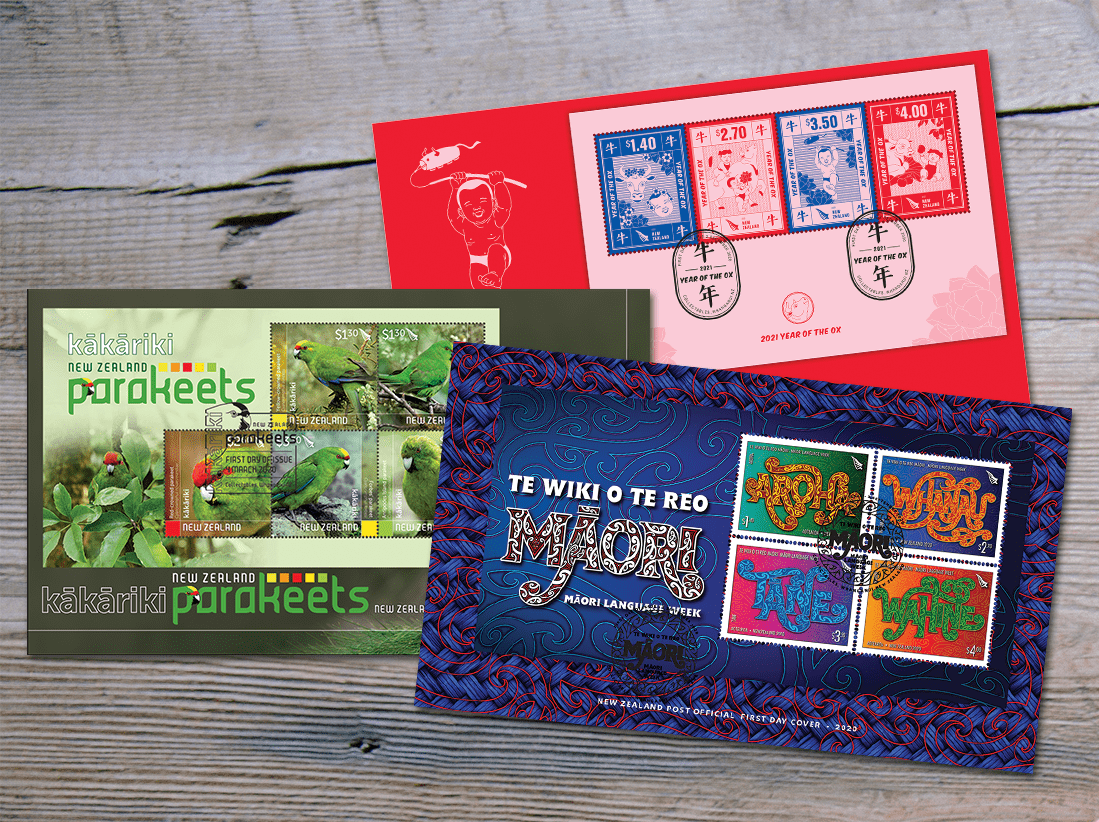
Take the hassle out of ordering your favourite collectables by setting up a standing order with us.
Set up standing orderMedia releases
View the latest news from NZ Post Collectables.

Published:
New Zealand Veterans
We first
started thinking about how best to acknowledge Aotearoa New Zealand’s post
World War Two...
Published:
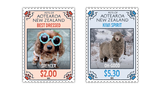
Best in show
Companion animals - pets - are essential parts of life for the majority of New Zealanders. Each year...
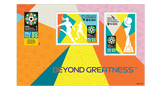
As the countdown to the opening of the FIFA Women's World Cup 2023™ draws closer, NZ Post is proud t...

Published:
A toy story
Historical
children’s toys are a rich source of nostalgia for many people. While they represent
im...
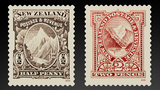
For the first time ever, NZ Post released its digital stamps at the weekend – which sold out within...
Published:
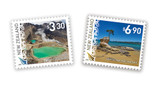
The Scenic Definitive Great Walks
Aotearoa New Zealand has ten ‘Great Walks’ that include some of our most spectacular natural landsca...